Clean Slate Theory under IBC: Bombay HC quashes VAT dues Post-Resolution Plan Approval
 Copy Link
 Share
Share Save
Save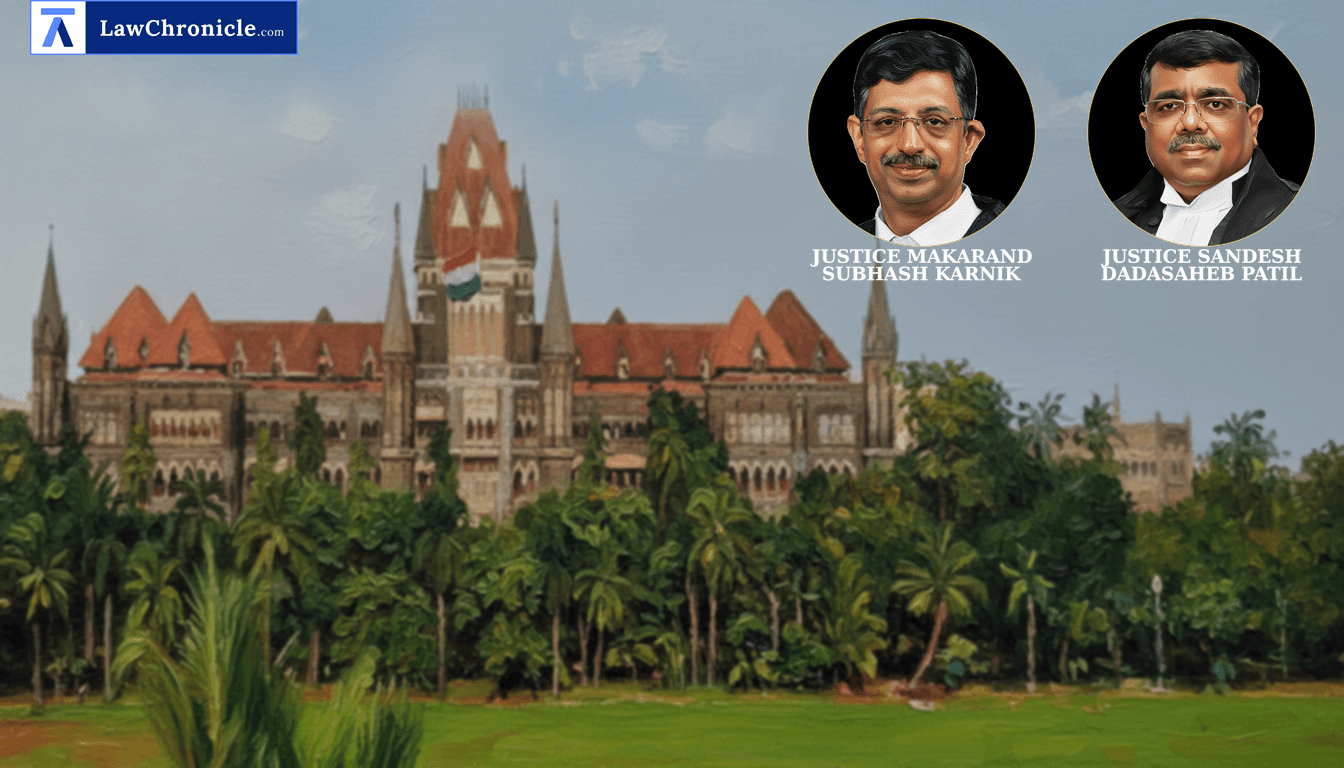
The Bombay High Court has reinforced the 'clean slate' doctrine under the Insolvency And Bankruptcy Code, 2016, quashing a tax demand and ordering the refund of a pre-deposit for a company that successfully underwent a Corporate Insolvency Resolution Process. A Bench of Justice M. S. Karnik and Justice Sandesh D. Patil held that state tax authorities lose the jurisdiction to recover past dues once a resolution plan is approved by the National Company Law Tribunal (NCLT).
Key Takeaways
Absolute Finality of Resolution Plans
Approval of a resolution plan under Section 31 of the Insolvency And Bankruptcy Code, 2016 acts as a permanent shield against all pre-existing claims not included in the plan.
Extinguishment of Tax Liabilities
State and Central government dues, including those under the Maharashtra Value Added Tax Act, 2002, are completely extinguished if they are not specifically provided for in the NCLT-sanctioned plan.
Mandatory Refund of Pre-deposits
Statutory pre-deposits made for filing appeals during the pendency of litigation must be refunded to the Resolution Applicant once the underlying tax liability is legally wiped out.
Certainty for Investors
Successful resolution applicants cannot be surprised by 'undecided' or 'hidden' claims, ensuring economic certainty and the successful revival of distressed corporate entities.
Clean Slate Theory under IBC
The High Court has declared that under Section 31 of the Insolvency And Bankruptcy Code, 2016, an approved Resolution Plan results in the total extinguishment of all claims (statutory or otherwise) not forming part of the plan. Consequently, any order passed by a tax authority seeking recovery of such extinguished dues is without jurisdiction, and any statutory pre-deposit associated with such claims must be refunded with interest.
NCLT Approval Overrides Tax Demands
The Bombay High Court observed that the core objective of the insolvency framework is to put a quietus to all claims against a corporate debtor. Relying heavily on the landmark precedent in Ghanashyam Mishra and Sons Private Limited vs. Edelweiss Asset Reconstruction Company Limited and ors. ( "(2021) 9 SCC 657": 2021 CaseBase(SC) 355), the Bench noted that once a plan is approved, it becomes binding on all stakeholders, including the State Government and tax authorities. The Court remarked, "once the NCLT approved the Resolution Plan on a 'clean slate' basis, all past claims or dues not forming part of the Resolution stood extinguished."
The Bench further clarified that a successful resolution applicant cannot be faced with undecided claims after the plan's approval, as this would lead to total uncertainty regarding the financial viability of the revived company. Referencing Uttam Value Steels Ltd vs. Assistant Commissioner of Income Tax ( "2024 (9) TMI 426 (Bom)": 2024 CaseBase(BOM) 3458) and Principal Commissioner of Income Tax vs. Patanjali Foods Ltd., the Bombay High Court reiterated that no fresh or pending proceedings can be continued after the NCLT satisfaction.
The Mandamus for Refund
Addressing the issue of pre-deposits paid under the Maharashtra Value Added Tax Act, 2002, the Court followed the principle laid down in Ruchi Soya Industries Limited and others vs. Union of India and others ( "2022 (380) ELT 8 (SC)": 2022 CaseBase(GUJ) 11011) and Dalmia Cement (Bharat) Ltd. and another vs. Union of India and others ( "(2023) 10 Centax 190 (Bom.)": 2023 CaseBase(BOM) 7834). It held that when the tax liability itself is extinguished by operation of law with clean slate theory under IBC, the state has no authority to retain amounts paid as a condition for appeal.
Background
The petitioner, CJ Network Private Limited (formerly Shop CJ Network Pvt. Ltd.), challenged an order dated May 31, 2023, passed by the Joint Commissioner of State Tax (Appeals). This order had confirmed an assessment under the Maharashtra Value Added Tax Act, 2002 and directed the recovery of over Rs. 5.88 Crores for the period 2016-17.
Crucially, during the pendency of the tax appeal, the petitioner underwent insolvency proceedings. A Resolution Plan was approved by the NCLT on March 21, 2023, which provided for a specific payout for government dues in full satisfaction of all claims. Despite the NCLT’s "clean slate" order, the Appellate Authority dismissed the petitioner's appeal and sought recovery of the full assessed tax. The Petitioner argued that the Insolvency And Bankruptcy Code, 2016 overrides the Maharashtra Value Added Tax Act, 2002 and that all dues were frozen upon the approval of the resolution plan. The State attempted to argue that the tax authority maintained jurisdiction, but the High Court rejected this, holding that the law is no longer res integra.
Case Details:
Case No.: Writ Petition (L) No. 36803 of 2025
Case Title: CJ Network Private Limited vs. Joint Commissioner of State Tax (Appeals)-VII & Ors.
Appearances:
For the Petitioner(s): Adv. Pulkit Devpura a/w Adv. Rajat Bhardwaj
For the Respondent(s): Mr. Vikrant Parshurami, AGP
Source: 2026 CaseBase(BOM) 5640
 Breaking News